Enhancing Your Creative Projects with a Comprehensive Collection of Ramadan 3D and Graphic Elements
If you are looking for the 3D elements of Ramadan, then you are in the right place. In the rapidly evolving world of digital design, the demand for high-quality, culturally relevant assets has never been higher. Whether you are a graphic designer, a marketing professional, or a small business owner preparing for the holy month, having access to a versatile Collection of Ramadan elements can significantly elevate your visual communication. This guide explores the significance of these assets, the technical advantages of modern file formats, and how to integrate them effectively into your creative workflow.
The Growing Importance of Visual Identity During Ramadan
Ramadan is not just a period of spiritual reflection; it is also a time of community, generosity, and vibrant cultural expression. For brands and creators, this presents a unique opportunity to connect with audiences on a deeper, more emotional level. However, achieving this connection requires more than just generic greetings. It demands authentic, high-quality visuals that respect the tradition while embracing modern aesthetics.
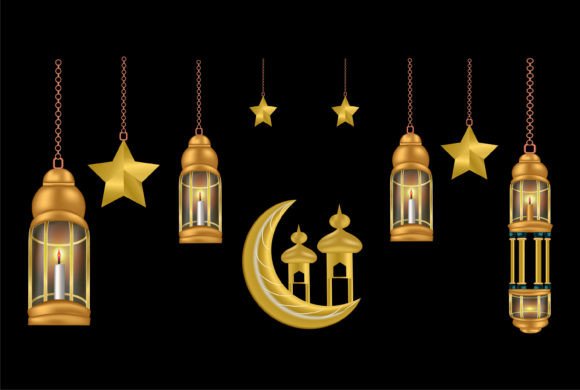
This is where a curated Collection of Ramadan 3D Elements becomes invaluable. Unlike flat, two-dimensional images, 3D assets add depth, realism, and a tactile quality to designs. They allow creators to build immersive scenes featuring iconic symbols such as crescent moons, intricate lanterns (fanous), dates, and traditional architecture. By utilizing these elements, designers can create campaigns that stand out in crowded social media feeds and digital marketplaces.
Understanding the Components of a Premium Element Collection
When we discuss a comprehensive collection, we are referring to a diverse library of assets designed to cover various creative needs. A robust package typically includes:
- 3D Models: High-poly and low-poly models of Ramadan symbols suitable for rendering and animation.
- Vector Graphics: Scalable illustrations for print and web use.
- Textures and Materials: Realistic surfaces like gold, marble, and fabric to enhance 3D renders.
- Typography Assets: Calligraphic elements and Arabic script styles.
The versatility of these components ensures that whether you are designing a simple social media post or a complex billboard advertisement, you have the necessary tools at your disposal.
Technical Breakdown: Why File Formats Matter
One of the most critical aspects of any digital asset package is the variety of file formats included. A professional-grade collection does not limit you to a single type of file. Instead, it offers flexibility through multiple formats, ensuring compatibility with various software and use cases. The standard inclusion of EPS, Ai, SVG, DXF, and JPEG files provides a complete solution for both digital and physical production.
Vector Formats: EPS, Ai, and SVG
Vector graphics are essential for professional design because they are resolution-independent. This means you can scale them from the size of a business card to the size of a building wrap without losing any quality.
- Ai (Adobe Illustrator): This is the native format for Adobe Illustrator. It is ideal for designers who want to edit individual layers, change colors, or modify shapes directly within the industry-standard vector software.
- EPS (Encapsulated PostScript): A universal vector format that is compatible with many different design programs, including CorelDRAW and Inkscape. It is particularly useful for sending files to printers who may not use Adobe products.
- SVG (Scalable Vector Graphics): This format is optimized for the web. SVGs are lightweight and code-based, making them perfect for websites and apps where load speed and responsiveness are crucial. They render sharply on all screen sizes, from mobile phones to 4K monitors.
Specialized and Raster Formats: DXF and JPEG
Beyond standard graphic design, some projects require specialized formats for manufacturing or quick previews.
DXF (Drawing Exchange Format) is primarily used for CAD (Computer-Aided Design) software. If you are planning to create physical decorations using laser cutters or CNC machines, DXF files are indispensable. They allow you to take the intricate patterns found in Ramadan art—such as geometric Islamic stars—and cut them precisely out of wood, metal, or acrylic.
JPEG (Joint Photographic Experts Group) files are raster images. While they cannot be scaled infinitely like vectors, they are universally supported and easy to use. JPEGs are perfect for quick mockups, social media posts, or situations where you need a ready-to-use image without opening complex design software.
Practical Applications in Modern Business and Creativity
Integrating a Collection of Ramadan elements into your workflow can streamline your production process and enhance the quality of your output. Here are several practical ways these assets are being used across different industries:
Digital Marketing and Social Media
In the digital age, visual content is king. Brands use 3D Ramadan elements to create engaging animations for Instagram, TikTok, and LinkedIn. A spinning 3D lantern or a softly glowing crescent moon can capture attention far more effectively than static text. These elements help maintain brand consistency while celebrating the season.
Packaging and Product Design
For retail businesses, packaging plays a vital role in customer experience. Using vector elements from an Ai or EPS file, designers can create limited-edition Ramadan packaging for food products, gifts, and cosmetics. The precision of vector files ensures that logos and patterns print crisply on boxes and labels.
Event Decoration and Physical Installations
With the inclusion of DXF files, event planners and interior designers can create custom physical installations. Imagine a mosque entrance or a shopping mall atrium decorated with large-scale laser-cut panels featuring intricate geometric patterns derived from the collection. This bridges the gap between digital design and physical reality.
Common Misunderstandings About Cultural Design Assets
When working with religious and cultural themes, it is important to approach the subject with sensitivity and accuracy. A common misunderstanding is that all Islamic art is the same. In reality, there are diverse styles ranging from Ottoman to Moroccan to Southeast Asian influences. A high-quality collection acknowledges this diversity by offering varied stylistic options.
Another assumption is that 3D elements are too complex for average users. However, modern 3D assets are often pre-lit and pre-textured, meaning they can be dragged and dropped into scenes with minimal technical knowledge. This democratization of design tools allows smaller businesses to compete with larger agencies in terms of visual quality.
How to Choose the Right Elements for Your Project
Selecting the right assets from a Collection of Ramadan 3D Elements requires a clear understanding of your project goals. Consider the following steps:
- Define the Mood: Do you want a modern, minimalist look or a traditional, ornate style? Choose elements that align with your brand voice.
- Check Compatibility: Ensure you have the software to open the provided file formats. If you only use Canva, focus on the PNG or JPEG exports, but if you use Illustrator, leverage the Ai files for maximum flexibility.
- Consider the Medium: For web use, prioritize SVGs and optimized JPEGs. For print, rely on EPS and high-resolution vectors. For fabrication, use DXF.
Conclusion
The visual landscape of Ramadan is rich with symbolism and beauty. By utilizing a comprehensive Collection of Ramadan elements, creators can honor this tradition while leveraging modern technology to produce stunning work. The inclusion of diverse file formats like EPS, Ai, SVG, DXF, and JPEG ensures that these assets are not just decorative items, but functional tools for professionals across various fields.
Whether you are crafting a digital campaign, designing product packaging, or planning a physical event, these elements provide the foundation for creativity. As technology continues to advance, the line between digital and physical design blurs, making versatile asset collections more important than ever. Embrace these tools to create meaningful, visually compelling content that resonates with audiences during this significant time of year.
Thank you for exploring the potential of Ramadan design assets. With the right resources, your creative possibilities are limitless.