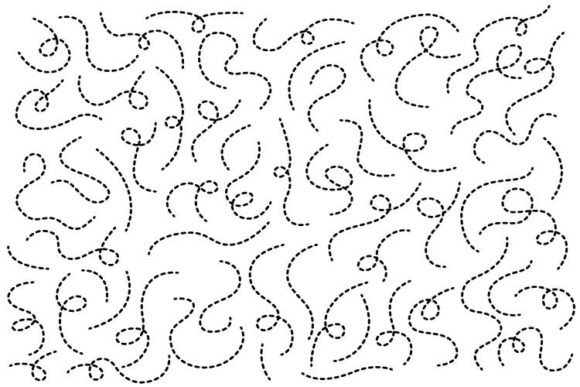
Curved Lines Collection: Integrating Fluid Design Assets into Professional Workflows
In the realm of digital design, rigidity often signals stagnation. Whether you are crafting a corporate annual report, designing a landing page for a startup, or creating educational materials, the visual language you choose dictates how your audience perceives your message. Straight lines convey structure and stability, but they can also feel cold or impersonal. This is where the Curved Lines Collection becomes an essential asset in your creative toolkit. It is not merely a set of decorative elements; it is a strategic resource for introducing movement, organic flow, and modern elegance into your projects.
For professionals ranging from freelance graphic designers to small business owners managing their own marketing, understanding how to integrate these assets efficiently can significantly reduce production time while elevating output quality. The collection offers a blend of aesthetic appeal and technical versatility, designed to fit seamlessly into existing workflows without requiring extensive modification.
Understanding the Asset Structure and Technical Specifications
Before diving into implementation, it is crucial to understand what you are working with. A well-organized asset library prevents workflow bottlenecks. This specific collection provides a comprehensive suite of files tailored for various stages of the design process. You receive 60 PNG files at 300dpi, ensuring high-resolution clarity for print materials such as brochures, business cards, and packaging. For web-based projects where scalability and file size matter, the inclusion of 60 SVG files is invaluable. These vector formats allow you to resize elements infinitely without losing quality, making them perfect for responsive web design and app interfaces.
Furthermore, the provision of 1 EPS file and 1 AI file containing all designs ensures compatibility with industry-standard software like Adobe Illustrator and CorelDRAW. This is critical for professionals who need to edit anchor points, adjust stroke weights, or modify colors to match strict brand guidelines. The additional JPG file serves as a quick-reference preview, allowing you to browse the entire set without opening individual files. This level of organization respects the user’s time, acknowledging that in a professional environment, efficiency is as important as aesthetics.
Strategic Placement in the Design Process
The utility of curved line icons extends beyond mere decoration. They function as structural guides that direct the viewer’s eye. When planning a layout, consider using these waves to separate sections subtly. Unlike harsh horizontal rules, curved lines create a natural transition between content blocks. This is particularly effective in long-form articles, presentation decks, or multi-page reports where maintaining reader engagement is a priority.
During the initial wireframing phase, you might use simple placeholders. However, as you move into the high-fidelity design stage, replacing rigid dividers with elements from the Curved Lines Collection can soften the overall composition. This approach works exceptionally well for brands aiming to appear approachable, innovative, or human-centric. For instance, a healthcare provider or a wellness coach might use these organic shapes to convey calmness and care, whereas a tech company might use them to suggest fluidity and seamless integration.
Enhancing Brand Identity and Consistency
Consistency is the cornerstone of strong branding. Using a cohesive set of design elements ensures that your marketing materials look like they belong to the same family. Because this collection includes both vertical and horizontal orientations, you can maintain visual consistency across different media formats. A horizontal wave might anchor the footer of your website, while a vertical curve could frame a testimonial on your social media graphics. By sticking to one curated set, you avoid the disjointed look that comes from mixing disparate clip-art styles.
To maximize this benefit, establish a style guide early in your project. Define how these curves will interact with your typography and color palette. Since the files are provided in editable vector formats (AI and EPS), you can easily recolor the lines to match your primary and secondary brand colors. This adaptability ensures that the assets do not look like generic add-ons but rather integral components of your unique visual identity.
Practical Implementation Across Industries
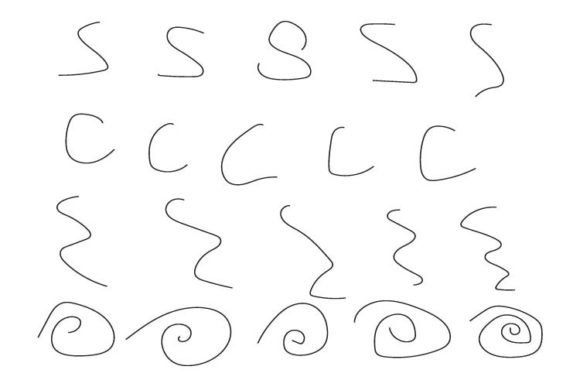
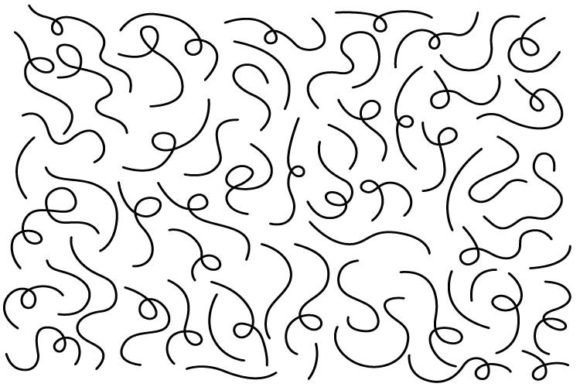
The versatility of the Beautiful unique curved line wave collection set icons allows for diverse applications. Here is how different professionals can integrate these assets into their daily operations:
- Marketers and Social Media Managers: Use the SVG files to create dynamic backgrounds for Instagram stories or LinkedIn posts. The clean lines provide enough negative space for text overlays while adding visual interest that stops the scroll.
- Educators and Course Creators: Incorporate the curves into slide decks to break up dense information. They can serve as containers for key takeaways or as decorative borders for worksheets, making learning materials more engaging for students.
- Web Developers and UI Designers: Leverage the lightweight SVG code to enhance page load speeds compared to heavy image files. Use the curves as section dividers on landing pages to guide users smoothly from the hero section to the call-to-action.
- Print Designers: Utilize the 300dpi PNGs or the vector files for high-quality print runs. These elements work beautifully on business cards, letterheads, and product packaging, adding a touch of sophistication without overwhelming the primary content.
Workflow Efficiency and File Management
Integrating new assets into an established workflow requires discipline. To avoid clutter, create a dedicated folder for the Curved Lines Collection within your project directory. Organize the subfolders by format (PNG, SVG, AI) or by orientation (Vertical, Horizontal) depending on your immediate needs. This preparation saves valuable minutes during tight deadlines when you need to locate a specific asset quickly.
When working with the AI or EPS files, consider creating a symbol library if you are using Adobe Illustrator. This allows you to drag and drop instances of the curves into your document while keeping the file size manageable. If you update the master symbol, all instances update automatically, ensuring consistency throughout large documents. For non-designers using tools like Canva or PowerPoint, the PNG files are ready to use. Simply drag, drop, and adjust the transparency if needed to blend the lines softly into the background.
Quality Control and Long-Term Value
Investing in high-quality design assets pays dividends over time. Low-resolution images or poorly drawn vectors can undermine the credibility of your work. The 300dpi resolution of the PNG files ensures that even when printed on large formats, the edges remain crisp and professional. The vector nature of the SVG, EPS, and AI files guarantees that your designs remain future-proof. As display technologies evolve and screen resolutions increase, vector assets will continue to render perfectly, protecting your investment.
Moreover, having a reliable set of go-to elements reduces decision fatigue. Instead of searching for new graphics for every project, you have a trusted resource that you know works. This allows you to focus your creative energy on higher-level strategic decisions, such as messaging and user experience, rather than getting bogged down in sourcing basic design elements.
Conclusion: Elevating Your Design Standard
The Curved Lines Collection is more than a download; it is a facilitator of better design practices. By providing a mix of raster and vector formats, it accommodates the diverse needs of modern creators. Whether you are refining a corporate identity or adding flair to a personal blog, these assets offer the flexibility and quality required for professional results. Integrating them thoughtfully into your workflow enhances visual communication, ensures brand consistency, and streamlines the production process. In a digital landscape crowded with noise, the subtle power of a well-placed curve can make your message stand out with clarity and grace.