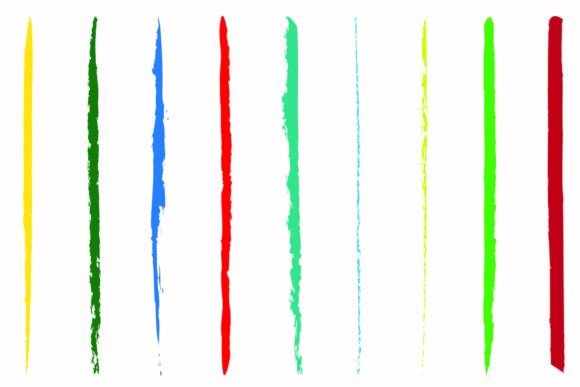
Thick Vertical Line Collection: A Practical Asset for Modern Design Workflows
In the landscape of graphic design, minimalism often demands the most precision. While complex illustrations and vibrant color palettes grab immediate attention, structural elements like lines do the heavy lifting of organizing space and guiding the viewer’s eye. The Thick Vertical Line Collection emerges as a specialized resource for designers who understand that separation and structure are just as critical as content. This asset pack is not merely a set of basic shapes; it is a curated library of bold, distinct vertical dividers intended to bring weight and definition to layouts ranging from corporate reports to creative portfolios.
For professionals aged 20 to 50, including marketers, freelancers, and small business owners, time is the most valuable currency. Searching for the perfect divider or spending hours adjusting stroke weights in vector software can disrupt workflow efficiency. This collection addresses that friction by providing ready-to-use, high-quality line art that integrates seamlessly into various design ecosystems. By offering multiple file formats and orientations, it serves as a versatile tool for anyone looking to elevate the visual hierarchy of their projects without starting from scratch.
Defining the Aesthetic and Functional Value
The core appeal of the Thick Vertical Line Collection lies in its deliberate aesthetic choice. Unlike thin, delicate hairlines that can disappear on busy backgrounds or low-resolution screens, thick vertical lines command presence. They create strong visual boundaries that help segment information clearly. This is particularly useful in business designs where clarity is paramount. Whether you are designing a brochure, a website header, or a social media graphic, these lines act as anchors, preventing the layout from feeling cluttered or disjointed.
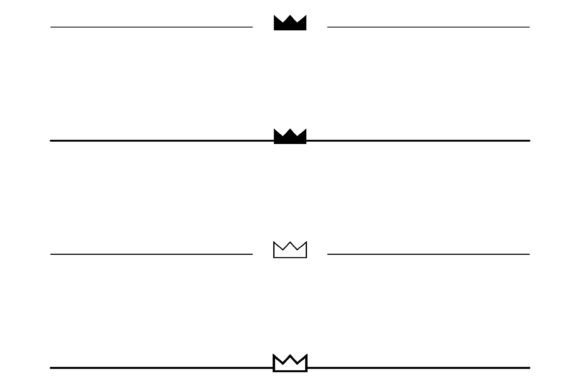
What makes this collection worth discussing is its balance between simplicity and uniqueness. These are not generic straight lines generated by a default tool. They are crafted with attention to detail, offering subtle variations in texture, edge treatment, and proportion. This ensures that when you use them, your design retains a custom, polished look rather than appearing templated. The "beautiful unique vertical line line art" aspect refers to the artistic consideration given to each stroke, ensuring they complement modern design trends that favor bold typography and clean spacing.
Technical Specifications and File Versatility
A design asset is only as good as its compatibility with your current workflow. One of the strongest features of this package is the comprehensive range of file formats provided. Users receive a total of ten files, covering both raster and vector needs, which ensures flexibility across different platforms and printing requirements.
- 3 PNG files at 300dpi: These high-resolution raster images are ideal for quick drag-and-drop usage in tools like Canva, PowerPoint, or Photoshop. The 300dpi resolution ensures that even when printed, the edges remain crisp and free of pixelation.
- 3 SVG files: Scalable Vector Graphics are essential for web design and digital interfaces. These files allow for infinite scaling without quality loss, making them perfect for responsive websites and app designs. They also support both vertical and horizontal orientations, adding to their utility.
- 1 EPS file: Encapsulated PostScript is a standard format for professional printing and legacy vector software. Including all designs in a single EPS file simplifies library management for print-focused designers.
- 1 AI file: For Adobe Illustrator users, having a native AI file with all designs means full editability. You can adjust colors, modify anchor points, or integrate the lines into larger vector compositions effortlessly.
- 1 JPG file: A universal fallback format that contains all designs, useful for quick previews or platforms with limited format support.
This variety ensures that whether you are a hobbyist using basic editing tools or a professional working in industry-standard software, the Thick Vertical Line Collection fits into your existing pipeline without requiring conversion or additional processing.
Real-World Applications and Usability
When evaluating how this collection performs in real-world scenarios, its strength becomes evident in business and editorial contexts. Consider a marketing agency creating a whitepaper. The document needs to break up dense text blocks to maintain reader engagement. Using a thick vertical line as a sidebar separator or a chapter divider adds a layer of sophistication that thin lines cannot achieve. It creates a sense of stability and authority, which aligns well with corporate branding.
Similarly, for entrepreneurs and bloggers, these assets are invaluable for social media carousels. Instagram and LinkedIn posts often rely on clear segmentation to guide the user through a narrative. A bold vertical line can separate a headline from body text or divide two contrasting ideas within a single image. Because the files are provided in both vertical and horizontal orientations, creators can adapt the same visual language across different aspect ratios, maintaining brand consistency.
Educators and publishers also benefit from this resource. In textbooks or online course materials, visual cues help students process information. Thick lines can delineate key concepts, separate questions from answers, or frame important definitions. The high contrast of these lines ensures readability, which is crucial for educational accessibility.
Quality, Consistency, and Long-Term Value
Quality in design assets is often judged by consistency. When you download a collection, you expect every element to feel like part of the same family. The Thick Vertical Line Collection delivers on this front. The stroke weights are balanced, and the stylistic approach is uniform across all variants. This consistency allows designers to mix and match different lines within a single project without creating visual discord. It saves time during the review process, as there is no need to tweak individual elements to make them cohere.
Reliability is another key factor. With 300dpi PNGs and vector formats, the assets are future-proof. As display technologies improve and screen resolutions increase, vector files ensure your designs remain sharp. For print projects, the high-resolution raster files guarantee professional output. This long-term value means the purchase is not a one-time fix but a permanent addition to your design toolkit.
However, it is important to note potential limitations. These lines are stylized for specific aesthetic effects. If your project requires ultra-minimalist, hairline separators, this collection may be too bold. Additionally, while the SVG and AI files offer editability, users unfamiliar with vector software may find themselves restricted to the pre-set shapes in the PNG and JPG formats. Understanding your technical comfort level is essential to maximizing the utility of this pack.
Who Benefits Most from This Collection?
This resource is particularly well-suited for:
- Freelance Graphic Designers: Who need to speed up client deliverables without sacrificing quality.
- Small Business Owners: Who manage their own marketing materials and need professional-looking elements that are easy to use.
- Content Creators and Bloggers: Who want to enhance the visual appeal of their digital content with minimal effort.
- Corporate Marketers: Who require consistent, authoritative design elements for internal and external communications.
In conclusion, the Thick Vertical Line Collection is a pragmatic solution for a common design challenge. It offers a blend of aesthetic appeal and technical flexibility that supports a wide range of creative projects. By providing high-quality files in multiple formats, it respects the diverse workflows of modern creators. For those looking to add structure, weight, and professionalism to their designs, this collection represents a sound investment in their creative infrastructure. It is not just about adding lines; it is about enhancing clarity and impact in visual communication.