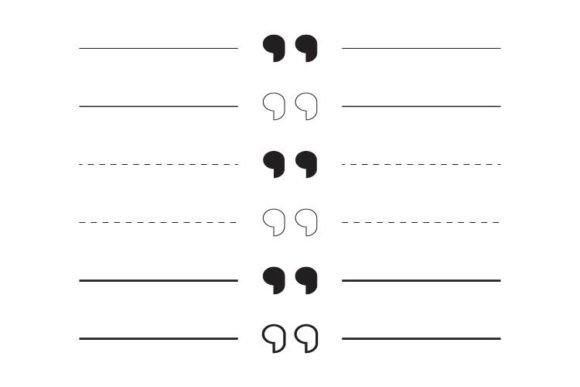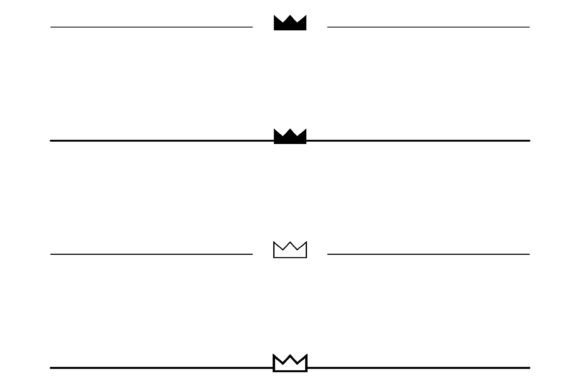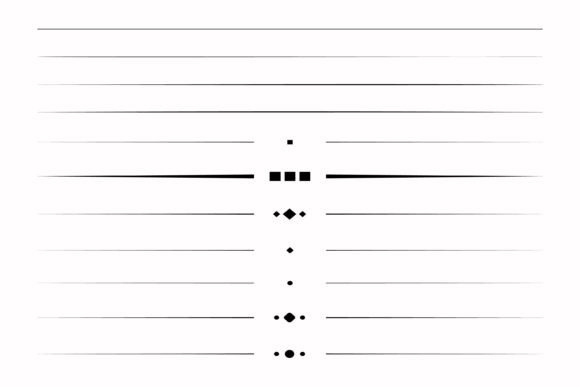
Divider: A Comprehensive Look at Unique Line Art Collections for Design Projects
In the realm of graphic design and digital content creation, visual hierarchy is paramount. One of the most effective yet often overlooked tools for establishing structure is the divider. While simple horizontal lines have long been a staple in word processing and basic web layouts, modern design demands more nuance. This article explores the value of utilizing a curated collection of unique divider line art, specifically examining a set that includes multiple file formats and orientations to suit diverse project needs.
Understanding the Role of Dividers in Modern Design
A divider is not merely a decorative element; it serves a functional purpose by guiding the reader’s eye and separating distinct sections of content. In business designs, marketing materials, and web interfaces, clear segmentation improves readability and reduces cognitive load. When users encounter large blocks of text or complex information, visual breaks help them process information in manageable chunks.
Traditional dividers are often generic—thin, straight lines that offer little personality. However, a beautiful unique divider line art collection transforms this utilitarian element into a branding opportunity. By incorporating intricate patterns, organic shapes, or minimalist geometric forms, designers can reinforce their brand identity while maintaining structural clarity. The set under review offers a versatile approach, providing both vertical and horizontal orientations, which expands their utility beyond standard page breaks.
Evaluating the Asset Package: Formats and Flexibility
When selecting design assets, flexibility is a critical factor. A high-quality divider set must integrate seamlessly into various workflows, from print media to responsive web design. The collection in question provides a robust suite of files, ensuring compatibility with industry-standard software and varying resolution requirements.
- PNG Files (300dpi): The inclusion of 11 PNG files at 300 dots per inch ensures that these dividers are suitable for high-quality print projects. Whether used in brochures, business cards, or reports, the high resolution prevents pixelation and maintains crisp edges.
- SVG Files: Scalable Vector Graphics are essential for digital applications. The 11 SVG files allow designers to resize dividers infinitely without losing quality, making them ideal for websites, apps, and digital presentations where screen sizes vary significantly.
- EPS and AI Files: For professional designers using Adobe Illustrator or other vector-based programs, the inclusion of 1 EPS file and 1 AI file containing all designs is invaluable. These editable formats enable customization, allowing users to adjust colors, stroke widths, or shapes to match specific brand guidelines precisely.
- JPG File: The single JPG file serves as a quick-reference preview or a lightweight option for non-designers who need to insert a visual break into documents without accessing specialized software.
This multi-format approach addresses a common pain point in asset acquisition: the need to convert files or compromise on quality. By providing both raster (PNG, JPG) and vector (SVG, EPS, AI) options, the collection supports a wide range of technical competencies and project types.
Benefits for Business and Creative Projects
For businesses, consistency in visual communication is key to building trust and recognition. Using a cohesive set of dividers across various touchpoints—from internal reports to client-facing proposals—creates a polished and professional appearance. The unique nature of the line art helps differentiate materials from competitors who may rely on default software elements.
Moreover, the availability of both vertical and horizontal orientations adds significant versatility. Horizontal dividers are standard for separating sections in documents and web pages. Vertical dividers, however, are increasingly useful in modern layout designs, such as sidebar separations, column distinctions in newsletters, or social media graphics where space is constrained vertically. This dual-orientation capability makes the set a practical choice for comprehensive design systems.
Considerations and Tradeoffs
While the benefits are clear, potential users should consider certain tradeoffs. First, the aesthetic style of the dividers must align with the overall brand voice. Intricate line art may complement creative industries like fashion, hospitality, or artisanal crafts but could appear distracting in highly conservative sectors such as finance or law, where minimalism is preferred. Users should evaluate whether the specific designs in the collection match their intended tone.
Second, while vector files offer editability, they require a certain level of technical skill to modify effectively. Non-designers may find the PNG files easier to use but will lack the ability to customize colors or shapes. Therefore, teams should assess their internal capabilities before purchasing. If no one on the team uses Adobe Illustrator or similar tools, the AI and EPS files may remain underutilized.
When This Collection Is a Strong Fit
This divider set is particularly well-suited for:
- Brand Identity Packages: Designers creating comprehensive brand kits can include these dividers as part of the visual language, ensuring consistent application across stationery and digital media.
- Digital Publications: Bloggers, newsletter creators, and ebook authors can use the SVG and PNG files to enhance readability and visual appeal without slowing down page load times significantly.
- Print Collateral: Marketing agencies producing brochures, menus, or event programs will benefit from the 300dpi PNGs and editable vector files for high-end print outputs.
When to Consider Alternatives
There are scenarios where alternative solutions might be more appropriate. If a project requires dynamic, code-generated separators that change based on user interaction, CSS-based dividers may be more efficient than static image files. Additionally, if a brand strictly adheres to a minimalist aesthetic, simple CSS borders or basic geometric shapes created within the design software might suffice, eliminating the need for external assets.
Furthermore, users seeking highly specific thematic elements (e.g., holiday-themed or industry-specific icons) may find a general unique line art collection too broad. In such cases, custom illustration or niche-specific icon sets might better serve the project’s narrative goals.
Making the Decision
Choosing the right design assets involves balancing aesthetic preference with technical practicality. The Divider collection discussed here offers a compelling mix of beauty and functionality. Its strength lies in its versatility—providing multiple formats and orientations that cater to both print and digital mediums. For designers and businesses looking to elevate their visual presentation with minimal effort, this set provides a ready-made solution that enhances structure without compromising style.
Before integrating these assets, review the specific designs to ensure they complement your existing typography and color palette. Consider how the vertical and horizontal options can solve current layout challenges in your projects. By thoughtfully evaluating these factors, you can determine whether this unique line art collection aligns with your design goals and contributes to a more cohesive and engaging user experience.