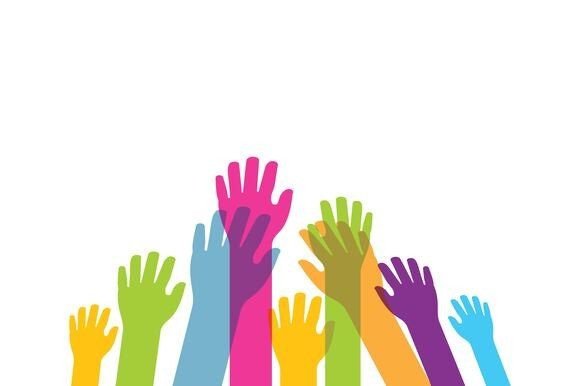
People Hands Up Vector Element Design
Visual communication thrives on clarity and emotion. Among the most universally recognized gestures in graphic design is the raised hand. It signals victory, participation, celebration, or surrender, depending entirely on context. This is why people hands up vector element design has become a staple resource for modern creators. Unlike raster images, vectors offer infinite scalability without quality loss, making them indispensable for projects ranging from tiny social media icons to massive billboard advertisements.
For designers, marketers, and entrepreneurs, understanding how to leverage these elements can transform a static layout into a dynamic narrative. The simplicity of the gesture belies its versatility. When used correctly, it bridges the gap between abstract concepts and human connection, inviting the viewer to engage rather than just observe.
The Strategic Value of Scalable Graphics
The primary advantage of using a people hands up vector element design template lies in its adaptability. In a digital-first world, content must perform across diverse platforms. A graphic that looks crisp on a 4K monitor must also remain legible on a smartphone screen. Vector files, typically saved in formats like SVG, AI, or EPS, use mathematical paths rather than pixels. This ensures that edges remain sharp regardless of size.
Beyond technical benefits, these elements save time. Creating complex illustrations from scratch requires significant skill and hours of labor. By starting with a high-quality template, freelancers and small business owners can focus on customization and strategy rather than foundational drawing. This efficiency allows for rapid iteration, which is crucial when testing different marketing messages or designing multiple variations for A/B testing.
Interpreting the Gesture: Context Is Key
While the physical action is simple, the semantic meaning of raised hands varies widely. Successful design depends on aligning the visual style with the intended message. Here are three common interpretations and how to apply them:
- Celebration and Success: In corporate presentations or sports marketing, raised hands often symbolize victory. Use bold, upward-sweeping lines and vibrant colors to convey energy and achievement.
- Participation and Education: In educational materials or community workshops, a raised hand indicates a question or willingness to contribute. Softer lines and approachable character styles work best here to encourage inclusivity.
- Surrender or Peace: Occasionally, the gesture implies yielding or peace. Minimalist, thin-line styles can convey calmness and neutrality, suitable for wellness brands or conflict resolution contexts.
Understanding these nuances prevents mixed messaging. A chaotic, jagged vector might unintentionally suggest panic rather than excitement, while an overly rigid design could feel authoritarian instead of celebratory.
Creative Applications Across Industries
The utility of people hands up vector element design extends far beyond basic clip art. Creative professionals are finding innovative ways to integrate these elements into sophisticated projects.
Brand Identity and Logos
Startups often seek logos that convey growth and optimism. A stylized pair of hands reaching upward can serve as a powerful monogram or icon. By simplifying the anatomy into geometric shapes, designers create memorable marks that resonate with audiences seeking progress and support.
Infographics and Data Visualization
Data can be dry, but human elements add warmth. Using vector hands to point at key statistics or to frame important data points guides the viewer’s eye naturally. For instance, a chart showing rising revenue can be anchored by a silhouette of cheering figures, reinforcing the positive trend emotionally.
Social Media Campaigns
Engagement is the currency of social media. Posts that invite interaction benefit from visuals that mirror the desired action. A graphic featuring raised hands can subtly prompt users to "raise their hand" in the comments if they agree or have experienced similar situations. This psychological mirroring increases comment rates and algorithmic visibility.
Customization Techniques for Originality
Using a template does not mean your work must look generic. The key to maintaining originality is thoughtful customization. Here are practical steps to make a people hands up vector element design template unique to your brand:
- Adjust the Color Palette: Move away from default colors. Align the hues with your brand guidelines. Consider using gradients to add depth and modernity, or flat pastel tones for a softer, contemporary feel.
- Modify the Line Weight: If the template uses thick strokes, try thinning them out for a more elegant, premium look. Conversely, bolding the lines can make the graphic pop against busy backgrounds.
- Add Textures and Patterns: While vectors are clean, adding subtle textures within the shapes can give them a tactile quality. This works particularly well for print materials like brochures or packaging.
- Combine with Other Elements: Integrate the hands with other symbols. For example, combine raised hands with growing plants to symbolize environmental care, or with tech icons to represent digital empowerment.
These adjustments ensure that even if others use the same base template, your final output remains distinct and aligned with your specific creative vision.
Best Practices for Implementation
To keep results clear and effective, consider the following guidelines when integrating these elements into your workflow:
Maintain Visual Hierarchy: The raised hands should support the main message, not overpower it. Ensure there is sufficient negative space around the vector so it breathes. Cluttered layouts diminish the impact of any single element.
Ensure Accessibility: When using these graphics on websites, always include appropriate alt text describing the image’s function. For example, "Illustration of diverse people raising hands in celebration." This helps screen readers interpret the visual context for visually impaired users.
Consistency Across Assets: If you use a specific style of vector hands in your email newsletter, carry that same style through to your landing pages and social posts. Consistent visual language builds brand recognition and trust.
Empowering Diverse Voices Through Design
Modern design increasingly values representation. Many people hands up vector element design libraries now offer diverse skin tones, body types, and abilities. Leveraging this diversity is not just a moral imperative but a strategic one. Audiences connect more deeply with visuals that reflect their own realities. When selecting templates, look for collections that prioritize inclusivity. Customizing skin tones to match your target demographic can significantly enhance relatability and engagement.
Furthermore, consider the cultural context. In some cultures, certain hand gestures may have different connotations. Always research your audience to ensure the imagery resonates positively. A global brand might need multiple variations of the same concept to respect local nuances.
Final Thoughts on Creative Utility
The people hands up vector element design template is more than a decorative asset; it is a tool for communication. It encapsulates human emotion in a scalable, editable format that serves various professional needs. Whether you are a blogger looking to break up text, a marketer aiming to boost engagement, or an educator creating interactive materials, these vectors offer a flexible foundation.
By focusing on context, customization, and consistency, you can elevate standard templates into compelling visual stories. The goal is not just to fill space but to evoke feeling and drive action. As you explore these resources, remember that the most effective design is often the simplest one that clearly conveys the human element behind your message. Embrace the versatility of vectors, experiment with style, and let your creativity raise the standard of your work.